Dreaming of street food in Bangkok, temples in Kyoto, or islands in the Philippines—but have no idea where to start? This beginner’s guide to planning your first Asia backpacking trip walks you through everything: route, budget, packing, safety, and the best tools to keep your trip stress-free.
1. Decide What Kind of Asia Trip You Actually Want
“Asia” is huge. A two-week Japan trip looks very different from a three-month Southeast Asia backpacking route. Before you open any booking site, decide:
- Rough trip length:
- Short: 2–3 weeks (pick 1 country, max 2)
- Medium: 1–2 months (2–3 countries)
- Long: 3–6+ months (multi-country backpacking loop)
- Vibe you want:
- Party + beaches → Thailand, Vietnam, Indonesia
- Culture + history → Japan, South Korea, Cambodia, India
- Nature + hiking → Nepal, Northern Vietnam, Indonesia
- Comfort level:
If it’s your first big trip, many beginners start in Southeast Asia (Thailand, Vietnam, Cambodia, Laos, Malaysia) because it’s cheap, well-traveled, and backpacker-friendly.
Write down your “must-see” places, then be ruthless: cut until your list fits your timeframe without rushing through a new city every 24 hours.
2. How Much to Budget for Your First Backpacking Trip in Asia
Costs vary by country, but a realistic backpacker average in Southeast Asia is about US$35 per day if you stay in hostels, use local transport, and eat local food.
Rough daily ranges (backpacker style):
- Budget (tight belt): US$25–35/day
- Comfortable backpacking: US$35–50/day
- More expensive countries (Japan, South Korea, Singapore): often US$60–90/day
When planning, separate your costs into:
- Pre-trip costs
- Flights
- Travel insurance
- Backpack + gear
- Vaccinations & visas
- On-the-road costs
- Accommodation
- Food & drinks
- Transport (buses, trains, budget flights)
- Activities & tours
- SIM/eSIM & data
- “Oh no” money (emergencies, last-minute flights, etc.)
Many long-term backpackers aim for around US$1,000/month in Southeast Asia, adjusting up or down depending on their style and countries visited.
3. Build a Simple, Flexible Itinerary
For beginners, think in regions, not every single city. For example:
- 3–4 weeks in Southeast Asia (classic loop)
- Thailand: Bangkok → Chiang Mai → islands (Koh Tao/Koh Lanta)
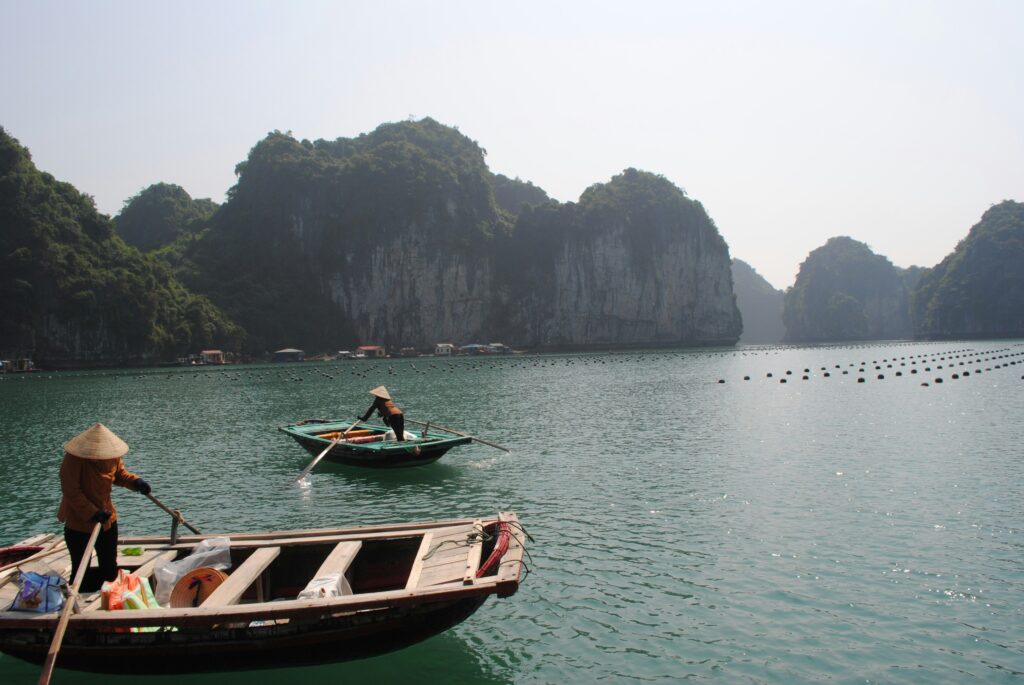
- Vietnam: Hanoi → Ha Long Bay → Hoi An → Ho Chi Minh City
- Cambodia: Siem Reap (Angkor Wat) → Phnom Penh
- 2–3 weeks in East Asia
- Japan: Tokyo → Kyoto/Osaka → Hiroshima or Hokkaido
- South Korea: Seoul → Busan → Gyeongju
Tips for planning your route:
- Avoid backtracking: Move in a logical line (e.g., north to south).
- Add “buffer days” between big moves in case of delays.
- Check visa rules before fixing your dates—some countries offer free visa-exempt stays, others need e-visas in advance.
- Stay longer in fewer places. It’s cheaper, less exhausting, and you’ll actually feel the place.
4. Essential Apps & Tools for Backpacking Asia
A few smart downloads can save you money and stress:
- Transport & tickets
- 12Go Asia – compares and books buses, trains, ferries across much of Asia.
- Local ride-hailing apps like Grab and Gojek for taxis and food delivery.
- Navigation & language
- Google Maps (download offline maps).
- Google Translate for menus, signs, and basic phrases.
- Money & bookings
- Wise or similar apps for cheap international transfers and multi-currency cards.
- Booking.com, Agoda, Hostelworld for last-minute hostels/guesthouses.
- Planning & packing
- Trip planners (like Stippl) to keep routes, bookings, and budgets in one place.
5. What to Pack for Your First Asia Backpacking Trip
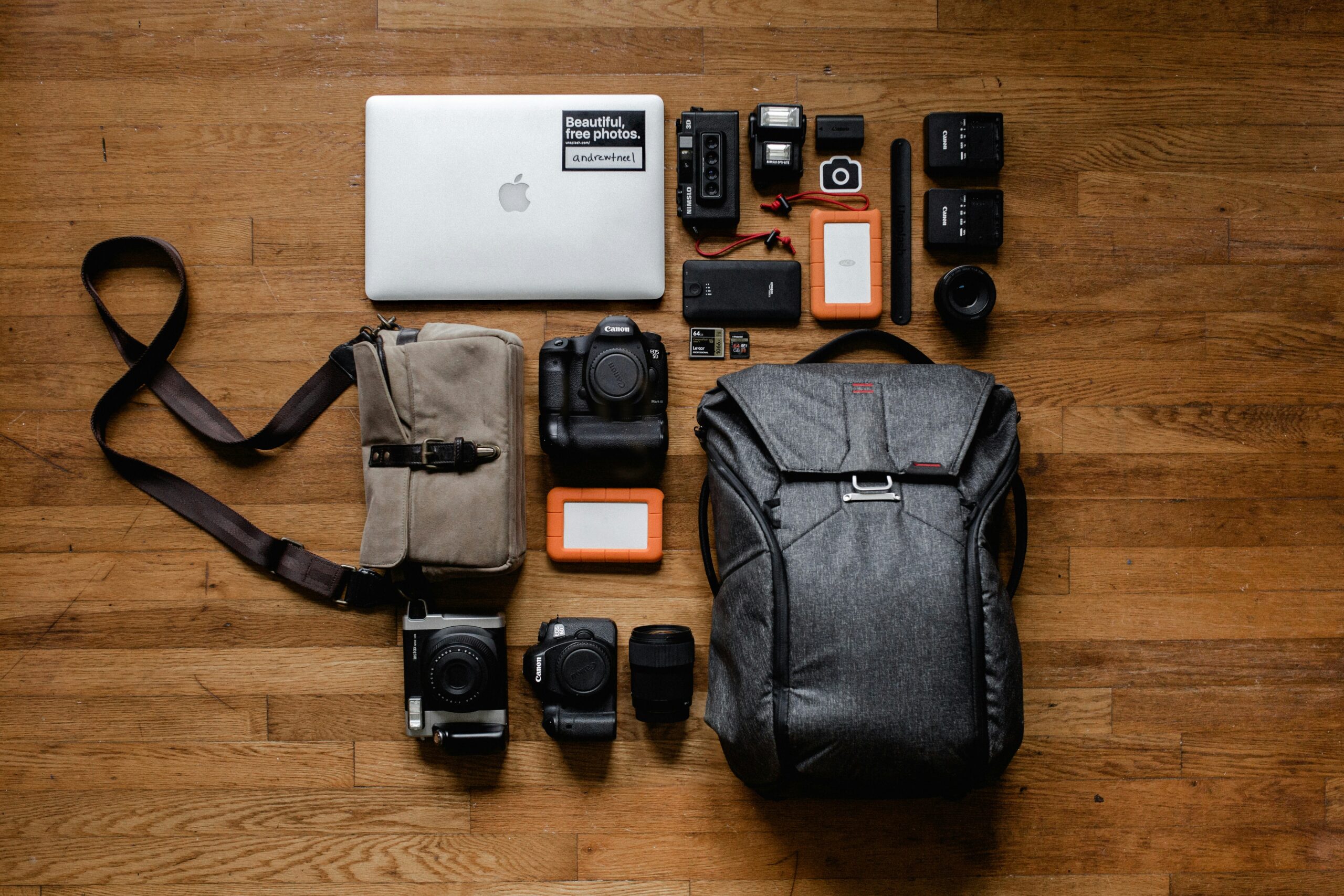
You’ll regret overpacking more than anything. Most long-term Asia backpackers are happy with a 40–50L main backpack plus a small daypack.
Clothing
- 5–7 lightweight tops
- 2–3 pairs of shorts
- 1 pair of long, light trousers (temples, buses, evenings)
- 1 light sweater/hoodie
- 7–10 pairs of underwear & socks
- 1 swimsuit
- 1 pair of comfortable walking shoes + flip-flops
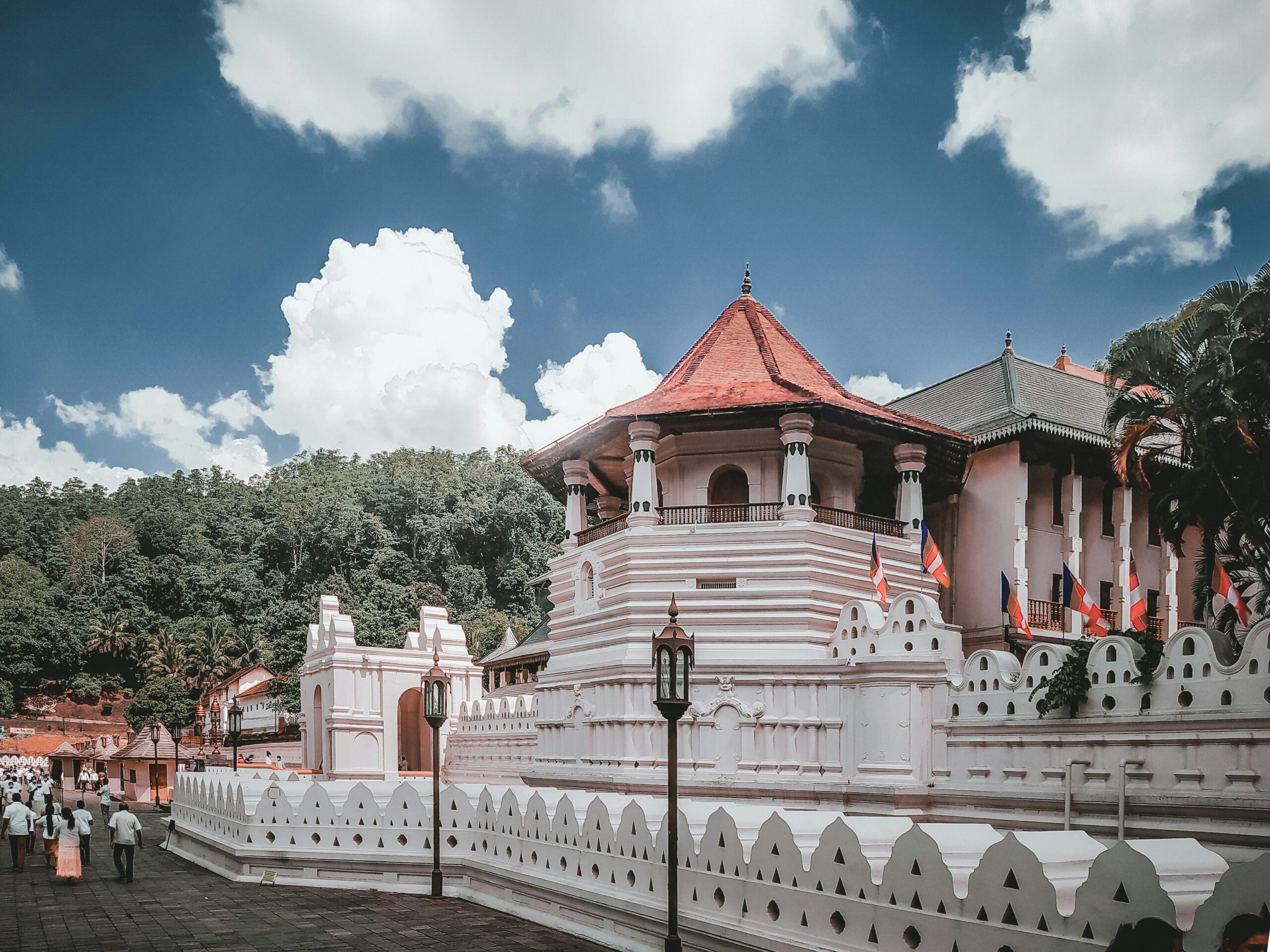
Remember many temples and religious sites require covered shoulders and knees, so pack at least one modest outfit.
Essentials & “why didn’t I bring this?!” items
- Lightweight travel towel
- Universal travel adapter
- Power bank
- Basic medical kit (painkillers, plasters, anti-diarrhea tablets)
- Refillable water bottle
- Padlock for hostel lockers
- A few packing cubes to organize your gear
You can buy almost everything locally if you forget something, so don’t stress about having the “perfect” gear list.
6. Safety & Health Tips for First-Time Backpackers in Asia
Overall, major backpacker routes in Asia are considered safe and welcoming if you use common sense.
Key safety basics:
- Travel insurance is non-negotiable. Medical care and emergency evacuation can be expensive.
- Back up your documents: store photos of your passport, visas, and insurance policy in the cloud and on your phone.
- Watch your drinks and avoid leaving them unattended in bars and parties.
- Use registered taxis or ride-hailing apps instead of random motorbikes where possible.
- Learn basic scams (overpriced tuk-tuks, fake tours, “closed” attractions) and stay polite but firm.
Health basics:
- Check required vaccinations with a travel clinic ahead of time.
- In many places, it’s safer to avoid tap water; drink bottled or use a filter.
- Street food is usually fine—go where it’s busy and food is freshly cooked.
7. Cultural Respect & Responsible Travel
A huge part of backpacking Asia is experiencing different cultures. A few simple habits go a long way:
- Dress modestly in temples and villages (covered shoulders and knees).
- Learn a few words in the local language: “hello,” “thank you,” “sorry,” “how much?”
- Remove your shoes when entering temples and some homes.
- Avoid touching people’s heads or pointing your feet at shrines and monks in Buddhist countries.
- Support local businesses—eat at small restaurants, book local guides, and avoid exploitative animal attractions.
8. Mindset Tips for Your First Backpacking Trip
Your first Asia backpacking trip won’t be perfect—and that’s kind of the point. Trains will be late, you’ll book the wrong hostel once, and you might get mildly scammed for a few dollars.
A few mindset reminders:
- Be flexible: treat your itinerary as a guideline, not a prison.
- Slow down: it’s better to know 5 places well than “do” 15 in a blur.
- Say yes (within reason): invite to a local meal, last-minute island trip, hostel karaoke night. These become your best stories.
- Take breaks: long-term travel can be tiring; schedule chill days with no sightseeing.
Backpacking Asia for the first time is a steep learning curve—but once you start, you’ll quickly realise you’re more capable, adaptable, and resourceful than you think.
9. FAQ Section
1. How long should my first Asia backpacking trip be?
If it’s your first big trip, 3–6 weeks is a sweet spot: enough time to see a couple of countries without burning out. For a classic Southeast Asia route, many beginners spend 3–4 weeks across Thailand, Vietnam, and Cambodia.
2. How much money do I need to backpack Asia for a month?
In Southeast Asia, a realistic backpacker budget is about US$35–50/day, or ~US$1,000–1,500 for a month, not including flights. More expensive countries like Japan and South Korea can easily double that.
3. What’s the best time of year to backpack Asia?
There’s no single “perfect” time because climates vary, but many routes aim for the dry season in Southeast Asia (roughly November–March in many areas). Check the rainy and hot seasons for each country on your list and try to avoid extreme heat or monsoons when possible.
4. Do I need to book everything in advance?
Book your first few nights and any major flights in advance. After that, many backpackers book hostels and buses a few days before using apps like Booking.com, Agoda, Hostelworld, or 12Go Asia. This keeps you flexible if you fall in love with a place and want to stay longer.
5. Is it safe to backpack Asia solo?
Yes, thousands of people backpack in Asia solo every year. Well-trodden routes in Southeast Asia are considered particularly solo-friendly, with plenty of hostels and group tours. As always, follow basic safety rules, trust your instincts, and check in regularly with someone back home.