Packing for tropical backpacking destinations can be weirdly tricky: you need to be ready for heat, humidity, sudden rain, bugs, and strong sun—without hauling a 20 kg pack you’ll hate by day three.
This guide gives you a practical, lightweight packing list for tropical backpacking plus why each item matters, so you can customise it for Southeast Asia, Central America, island hopping and more.
1. Packing Strategy for the Tropics: Less, Lighter, Faster-Drying
In hot, humid climates you don’t need bulky clothes, but you do need pieces that:
- Dry quickly (synthetic blends or lightweight merino rather than heavy cotton).
- Breathe well and wick sweat.
- Can be washed in a sink and re-worn the next day.
Aim for carry-on or one medium backpack (40–50L). You’ll be grateful when you’re climbing guesthouse stairs, hopping on tuk-tuks, or boarding island ferries. Many experienced long-term travellers find 5–7 tops and 2–4 bottoms are enough even for months in Southeast Asia.
2. Clothing Checklist for Tropical Backpacking
You’ll live in the same rotation of clothes. That’s normal.
Core clothing (unisex guidelines)
- 5 lightweight tops
- Mix of T-shirts, tank tops, or quick-dry hiking shirts.
- 3–4 bottoms
- 2 pairs of shorts/skirts
- 1–2 lightweight long trousers (linen or thin synthetic) for buses, evenings, and temple visits.
- 1–2 casual dresses or nicer outfits (optional but great for cities or nights out).
- 1 light long-sleeve layer
- For air-conditioned buses/planes and cooler evenings.
- Underwear & socks
- 7–10 pairs of underwear
- 3–5 pairs of thin socks (you’ll often wear sandals).
- Sleepwear (1–2 sets).
Swim & sun
- 2 swimsuits – easier to rotate while one dries.
- Sarong or large scarf – doubles as beach cover-up, temple cover, light blanket, or makeshift towel.
Footwear
- 1 pair breathable trainers or trail shoes – for walking, light hikes, and cities.
- 1 pair flip-flops or sandals – for showers, beach, and quick slip-on use.
- Optional: waterproof hiking sandals if you expect lots of wet trails or river crossings.
Rain & weather protection
Tropics = surprise rain and mega humidity.
- Lightweight rain jacket or poncho – ideally packable into its own pocket.
- Backpack rain cover – keeps your entire pack dry during downpours.
- Optional: rashguard if you plan to surf or snorkel a lot; helpful for jellyfish and strong sun.
3. Toiletries & Personal Care Essentials
You don’t need a full bathroom. Many things can be topped up locally. Think small and multi-use.
Basic toiletries (travel sizes)
- Toothbrush + toothpaste
- Small solid or decanted shampoo/soap (solid bars save space and avoid leaks).
- Deodorant
- Razor + small shaving cream or soap
- Comb/brush + a few hair ties
- Nail clippers
Sun & bugs
- High SPF sunscreen (30–50+; reef-safe if you’ll be in the ocean).
- Insect repellent suitable for mosquitoes and sandflies; DEET or picaridin-based are common recommendations in tropical travel/gear guides.
- After-bite or soothing cream (optional but nice if you react strongly).
Health & hygiene
- Basic first-aid kit: plasters, painkillers, rehydration salts, diarrhea tablets, antiseptic wipes.
- Any prescription medications in original packaging, plus photo of your prescription.
- Pack of tissues / small toilet paper roll for public toilets.
- Hand sanitiser
- Menstrual products or menstrual cup if needed (cups are handy when products are hard to find).
Remember: full-sized liquids eat space and weight. Start small; you can always buy more in-country at supermarkets or pharmacies.
4. Tech & Travel Documents
Essentials
- Unlocked smartphone (for local SIM/eSIM).
- Charging cables + small USB wall charger (multi-port if possible).
- Power bank – clutch on long bus rides or beach days.
- Universal travel adapter with surge protection.
Optional but useful:
- Lightweight e-reader or tablet
- Small travel laptop if you’re working remotely
Documents & money
- Passport (check validity + blank pages).
- Visas or visa approval letters where required.
- Copies (digital + printed) of passport, visas, insurance policy, and cards.
- Travel insurance details – essential for medical coverage, especially in remote islands or areas lacking public healthcare.
- Debit/credit cards (ideally at least two from different banks) and some starter cash in USD/EUR plus local currency on arrival.
Many long-term backpackers also carry a multi-currency card or online bank to reduce foreign transaction fees and ATM charges.
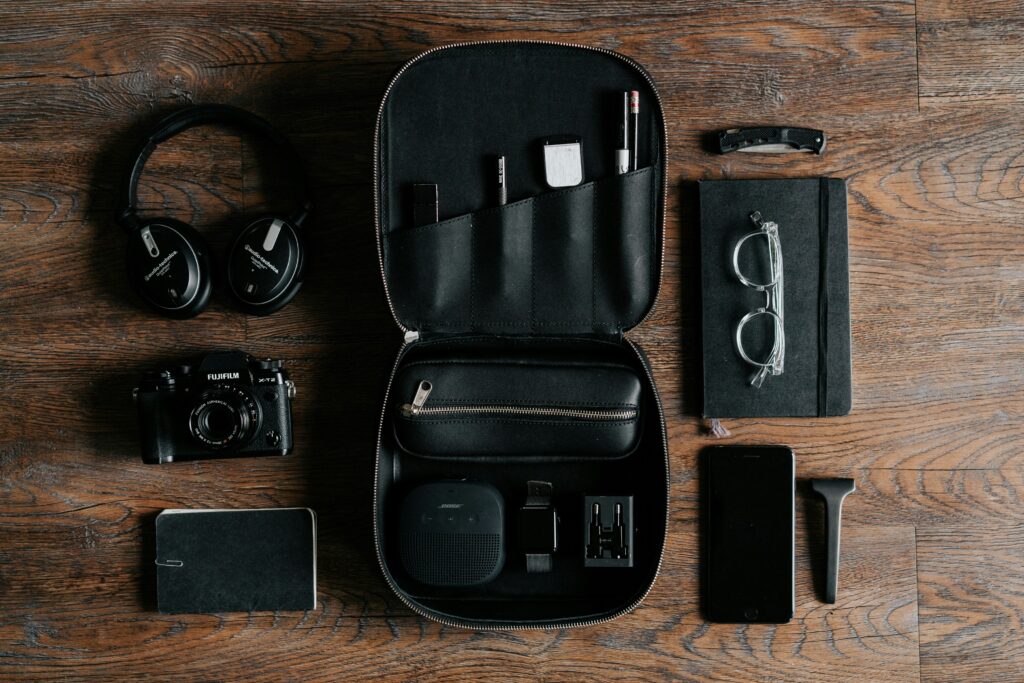
5. Tropical Backpacking Gear & Accessories
These small items make a big difference to comfort in steamy climates.
- Daypack (15–25L) – for day trips, buses, and hikes.
- Lightweight travel towel – microfiber or similar; dries fast in humidity.
- Refillable water bottle or collapsible bottle; consider a filter bottle if you’ll be far from potable water.
- Sun hat or cap + sunglasses.
- Silk/synthetic sleeping bag liner – handy for questionable hostel sheets or overnight buses.
- Padlock for hostel lockers.
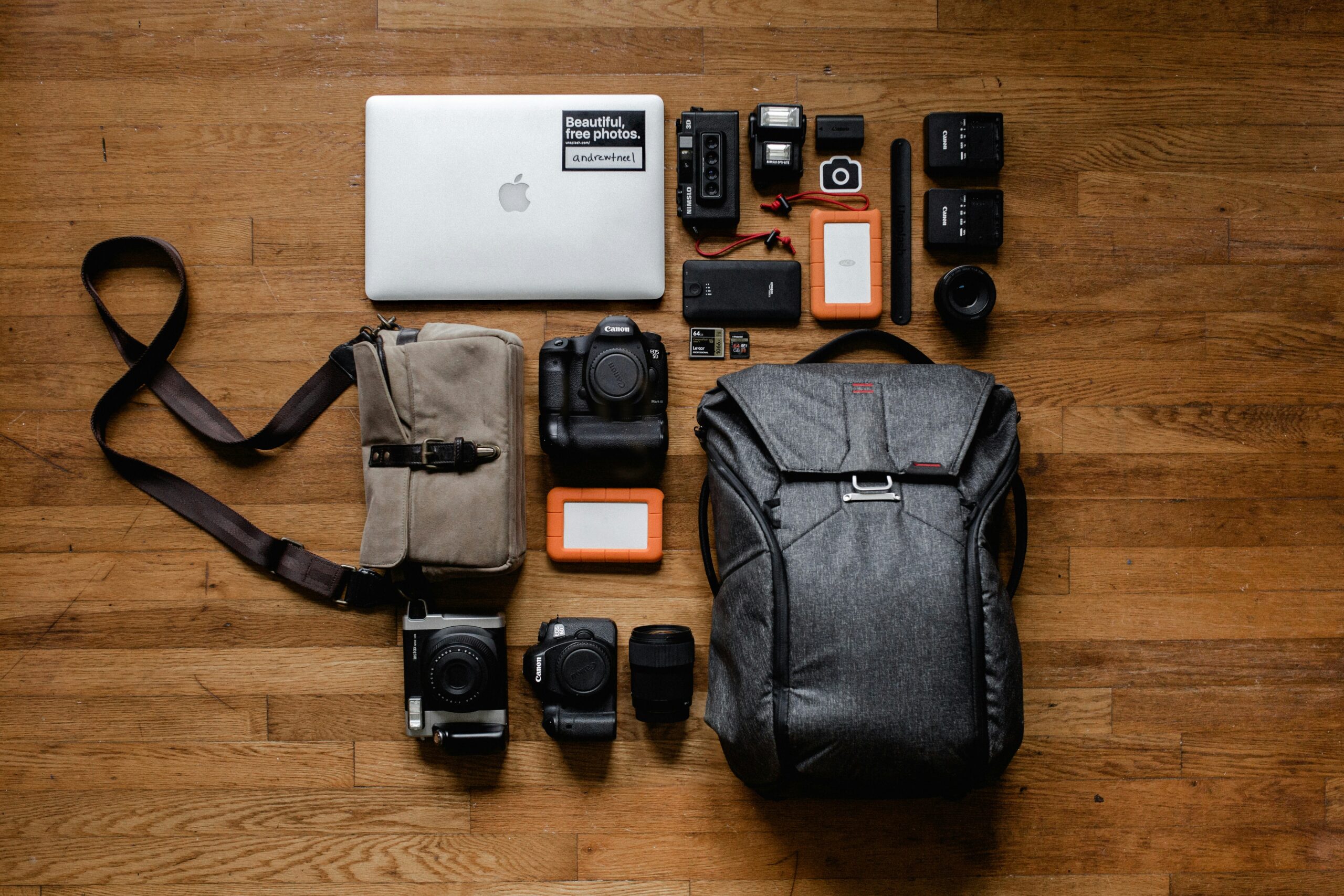
- Packing cubes or compression sacks to keep clothing organised (and separate clean from dirty/sweaty).
If you’ll be in very rural or camping situations rather than classic hostel-style backpacking, add:
- Compact headlamp
- Light travel mosquito net if not provided in your accommodation.
6. Keeping Clothes Fresh in Hot, Humid Weather
In the tropics, stuff doesn’t dry as fast as you’d like, especially during rainy season or in coastal areas.
Tips that frequent backpackers use:
- Choose synthetic or merino fabrics designed to wick moisture and dry fast; they’re far more forgiving than heavy cotton in humid conditions.
- Hand-wash clothes at night in hostel sinks using a tiny bit of biodegradable soap or local detergent.
- Hang them in any available airflow (near fans, windows). Even slightly damp clothes will usually finish drying on your body once you start moving.
- Keep one “always dry” outfit reserved for sleeping so you’re never stuck in damp clothes 24/7.
7. What Not to Pack for Tropical Backpacking
Cutting the wrong items does more for your comfort than adding more “just in case.” Common regrets:
- Too many clothes – you don’t need 10 tops and 6 pairs of shoes; laundry is cheap and easy across backpacking hubs.
- Heavy jeans and thick hoodies – miserably hot, slow to dry. One lightweight long trouser and a thin jumper are enough.
- Full-size toiletries – they add weight and can leak; buy as you go.
- Bulky sleeping bag – usually unnecessary if you’re staying in guesthouses/hostels in warm climates; a liner is enough.
If you’re on the fence, remember: the world you’re visiting sells stuff too. It’s easier to buy a missing T-shirt locally than to drag three extras you never use.
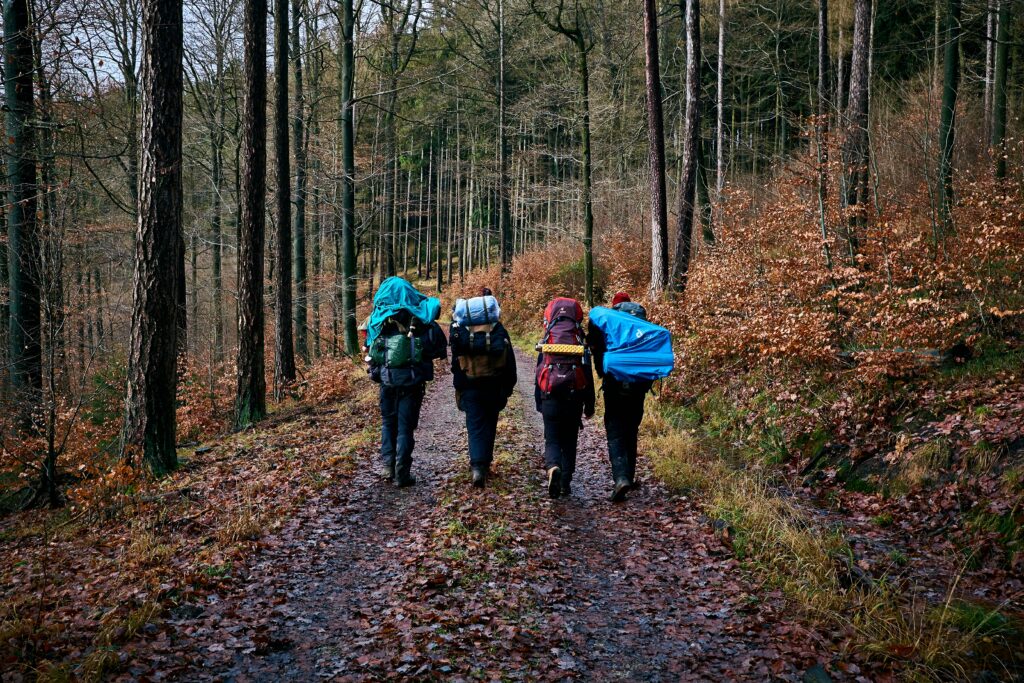
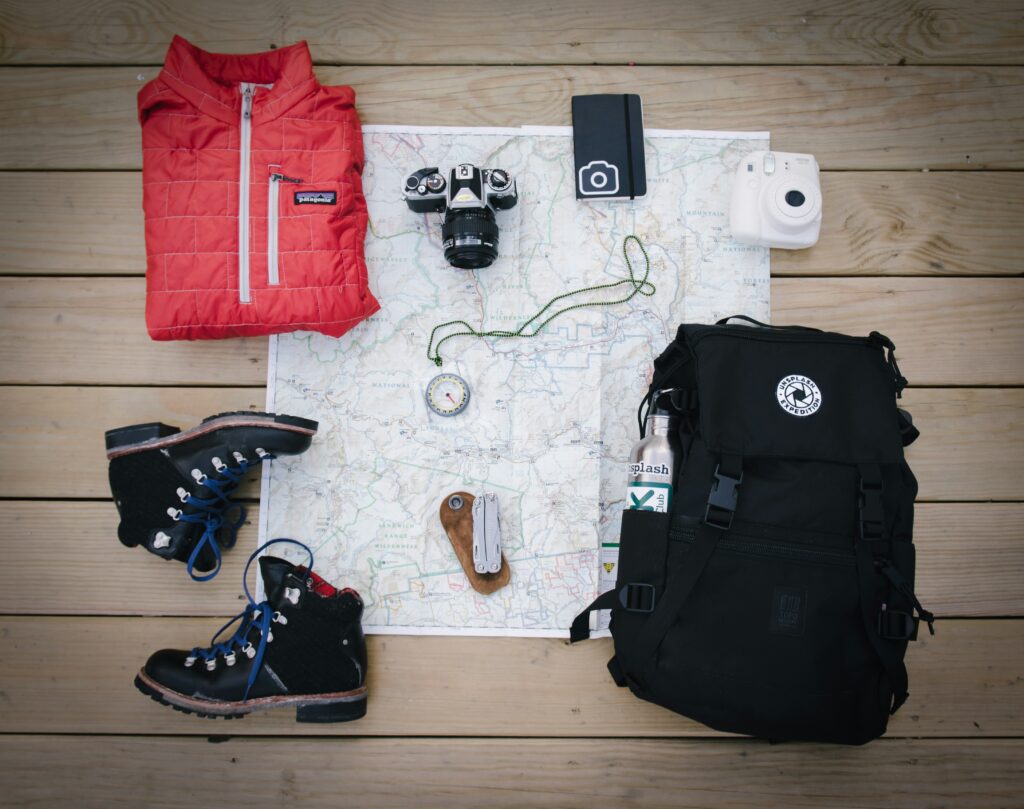
8. Sample Tropical Backpacking Packing List (Quick Reference)
Clothes
- 5 tops
- 3–4 bottoms (with at least 1 long)
- 1 light layer (sweater/hoodie)
- 7–10 underwear, 3–5 socks
- 1–2 sets sleepwear
- 2 swimsuits
- Sarong/scarf
Footwear
- 1 trainers/trail shoes
- 1 flip-flops/sandals
Weather protection
- Packable rain jacket or poncho
- Backpack rain cover
- Optional rashguard
Toiletries & health
- Basic toiletries (travel size)
- Sunscreen
- Insect repellent
- Mini first-aid kit + meds
- Hand sanitiser, tissues/toilet paper
Tech & documents
- Phone, charger, power bank
- Universal adapter
- Passport, copies, visas, insurance
- Cards + some cash
Gear & extras
- 40–50L main backpack
- 15–25L daypack
- Travel towel
- Water bottle (ideally with filter)
- Sleeping bag liner
- Sunglasses, hat
- Padlock & packing cubes
Use this checklist as a base and tweak it for your specific destination, trip length, and activities.
9. FAQ Section
1. How many outfits do I really need for tropical backpacking?
Most travellers manage well with 5 tops and 3–4 bottoms, washing frequently and re-wearing items. Guides for Southeast Asia and other warm destinations consistently recommend this range for long trips, especially when laundry services are cheap and quick.
2. Do I need a sleeping bag for tropical destinations?
If you’re staying in hostels, guesthouses, and budget hotels, usually no—a light sleeping bag liner is enough. Full sleeping bags are more common for cold or high-altitude trekking; round-the-world packing lists often list liners, not full bags, for hot climates.
3. Is cotton OK for tropical travel?
Cotton feels nice but dries slowly and holds sweat, which can feel clammy in humidity. Outdoor experts generally recommend synthetic or merino fabrics that wick moisture and dry faster, especially when you need to wash clothes often on the road.
4. How do I protect my stuff during sudden tropical downpours?
Use a backpack rain cover plus dry bags or packing cubes inside your pack to separate electronics and clothes. Many tropical packing guides emphasise a light rain jacket or poncho and a cover for your main bag to avoid soaking everything on bus rides and boat transfers.
5. Can I buy most things once I arrive?
Yes. In major backpacker regions like Southeast Asia, Central America, and island hubs, it’s easy to find clothing, toiletries, and basic gear in local markets and malls. That’s why many experienced travellers recommend starting with a minimal packing list and topping up locally instead of overpacking.